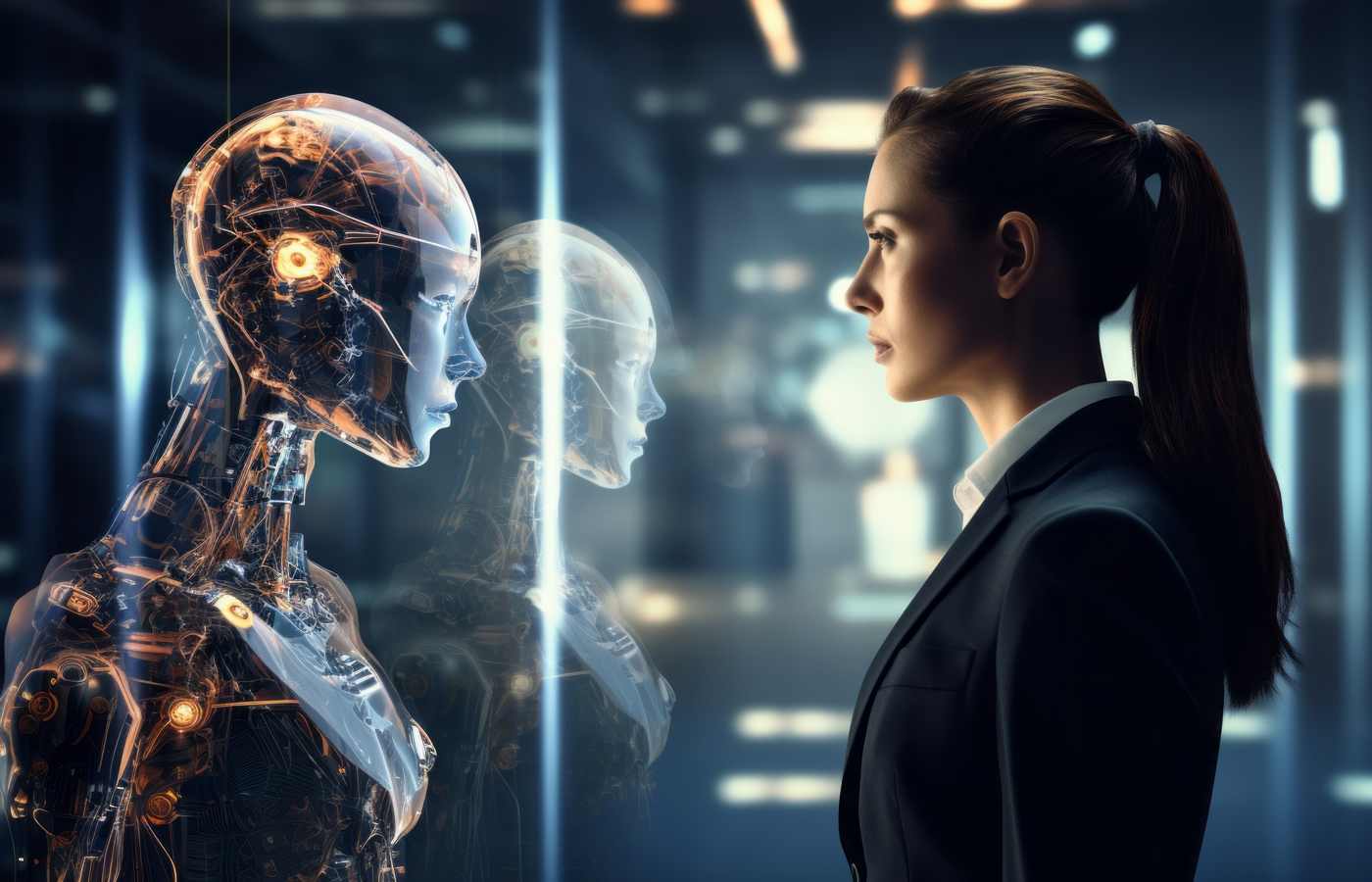
Introduction: A Duet Between Human and Machine
Picture this: you’re streaming a playlist for focusing, and the algorithm seems to read your mind—the perfect blend of ambient piano and soft synth waves flows seamlessly, hour after hour. You’re engrossed in a video game, and the soundtrack dynamically shifts from eerie exploration to heart-pounding combat, reacting to your every move. Later, you watch a filmmaker’s vlog where they score an entire scene with a melancholic, orchestral piece, created not in a studio, but from a text prompt.
This isn’t science fiction. This is the emerging, complex, and fascinating world of AI-generated music and audio. It’s a realm where algorithms are learning the language of emotion, rhythm, and melody, challenging our very definitions of creativity. Is this the democratisation of artistic expression, or the automation of the soul? Let’s dive into the harmonious—and sometimes discordant—notes of this technological revolution.
Part 1: What Exactly is AI-Generated Music & Audio?
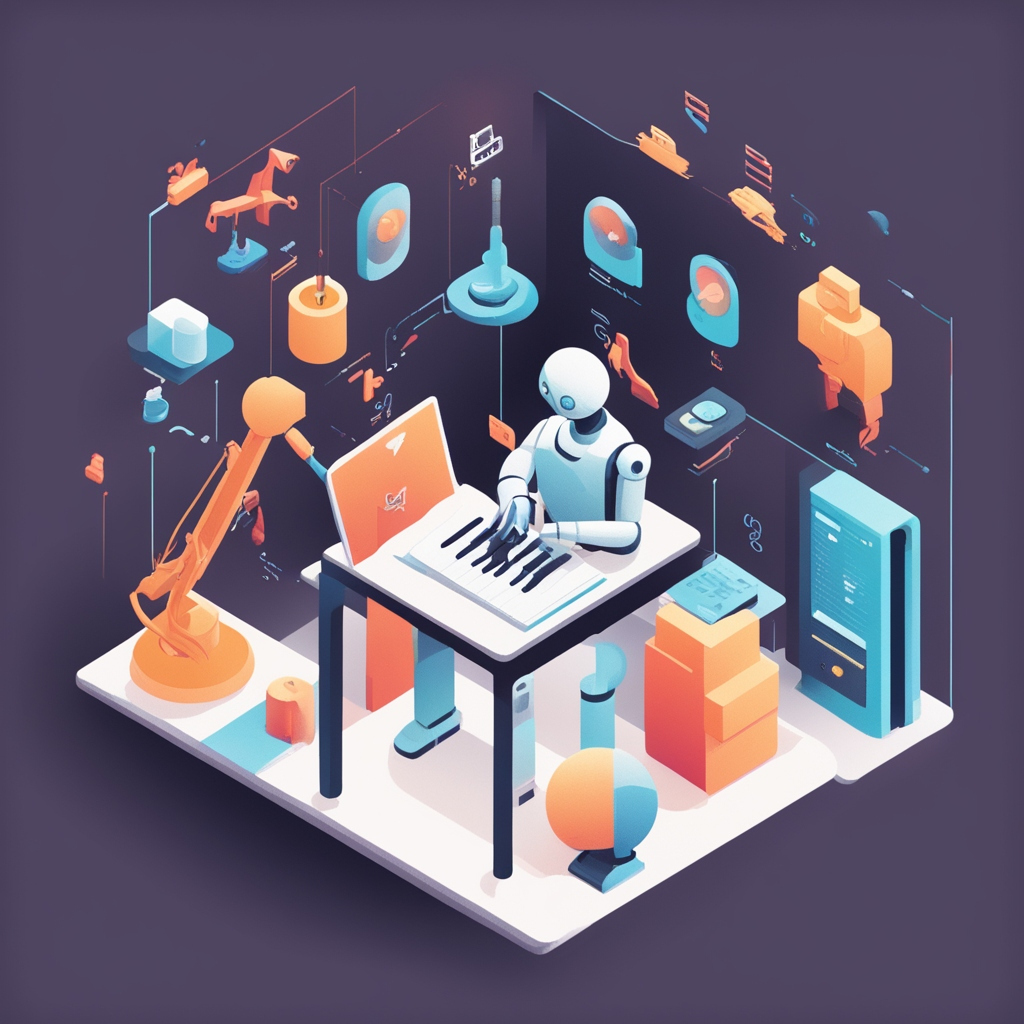
Before we hear the music, let’s understand the instrument. AI-generated audio isn’t a single tool, but a spectrum of technologies.
1. AI-Assisted Composition: Think of this as a powerful co-pilot. Tools like Amper Music (now part of Shutterstock), AIVA, and Soundraw provide composers with intelligent loops, melodic suggestions, and harmonic arrangements based on genre, mood, and instrumentation. You steer the creative direction; the AI handles the intricate busywork of generation and variation.
2. Generative Music from Prompts: This is where it gets sci-fi. Platforms like Google’s MusicLM, OpenAI’s Jukebox (and its rumoured successors), and Riffusion (which worked by generating images of spectrograms!) allow users to type text descriptions—”a triumphant brass fanfare for a space opera,” or “lo-fi beats to study to with vinyl crackle”—and receive a unique audio clip. The AI has learned the patterns linking language to sound.
3. Audio Splitting & Remixing: Services like LALAL.AI or Spleeter use AI to perform the “magic” of stem separation. Upload a song, and it deftly splits the vocal track from the drums, bass, and guitars. This is transformative for remix artists, karaoke creators, and sample-based producers.
4. Sound Design & FX: AI can generate entirely new soundscapes, creature roars, or futuristic UI sounds from text descriptions, speeding up workflows for game developers and filmmakers. Tools like Resemble AI or Adobe’s Project Blink can also clone and synthesise human speech with unsettling accuracy.
5. Dynamic & Adaptive Audio: This is AI not as a composer, but as a conductor. In video games and interactive media, AI systems (like those powered by Wwise or FMOD) analyze player actions in real-time and layer, transition, or re-orchestrate music to match the narrative moment, creating a truly unique score for every playthrough.
Part 2: How Does the Magic Work? A Peek Behind the Digital Curtain
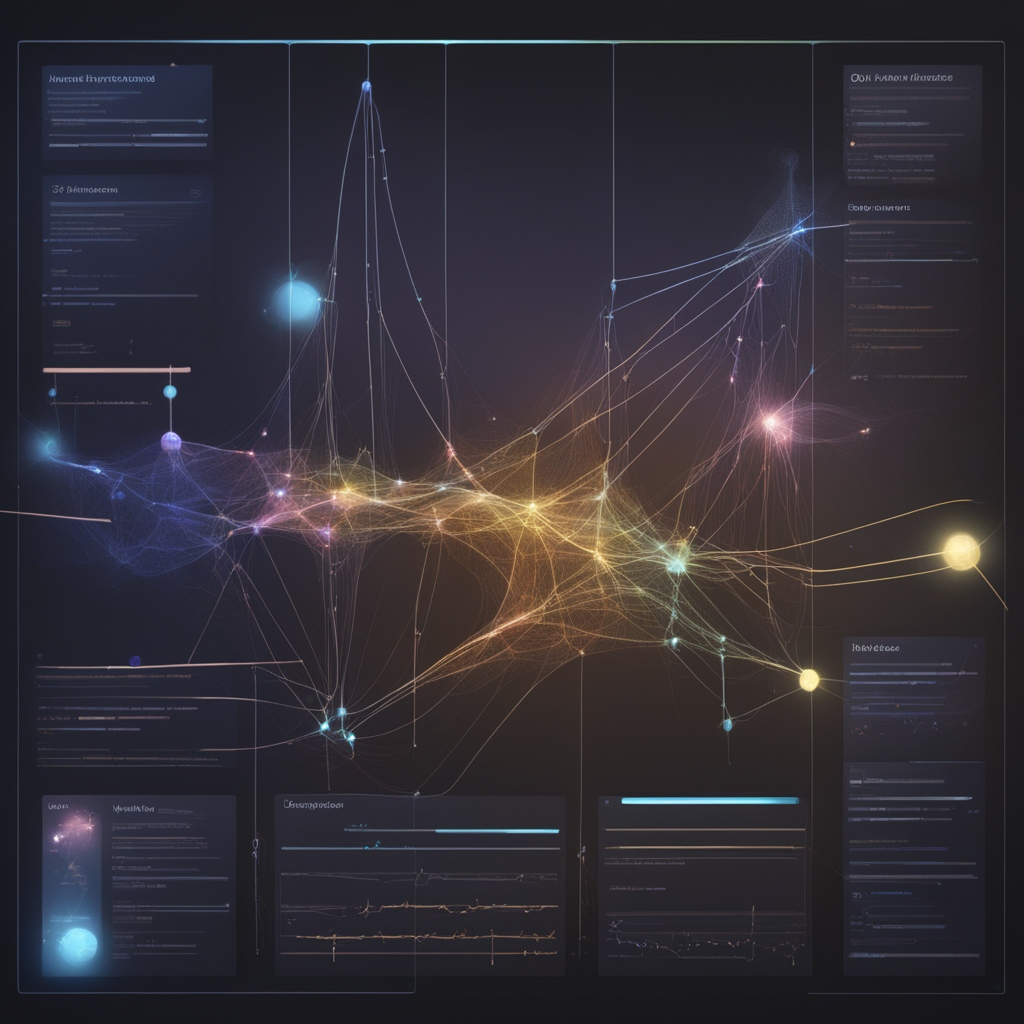
You don’t need a PhD in machine learning to grasp the core concepts. Most generative audio models are built on architectures you may have heard of in the context of text and images.
- Neural Networks & Deep Learning: These are algorithms loosely inspired by the human brain. They learn by analysing vast amounts of data. For music, that data is millions of songs, MIDI files, and audio samples.
- Generative Adversarial Networks (GANs): Two neural networks play a game. One (the Generator) creates new audio clips. The other (the Discriminator) tries to spot if it’s AI-made or from the real training dataset. Through this competition, the Generator gets incredibly good at creating realistic sounds.
- Transformers & Diffusion Models: The rockstars of the current AI wave. Models like MusicLM use transformer architectures (similar to GPT) to understand the relationship between text tokens and audio tokens. They learn the “grammar” of music—what a catchy chorus structure sounds like, how a guitar solo typically builds, etc. Diffusion models, popular in image generation, work by gradually adding structure to random noise until it forms a coherent piece of audio based on the text prompt.
The training process is key: an AI model trained exclusively on 17th-century Baroque concertos will never produce a dubstep drop. Its creativity is bound and inspired by its “experiences”—the datasets it consumed.
Part 3: The Creative Upside: A New Palette of Sounds
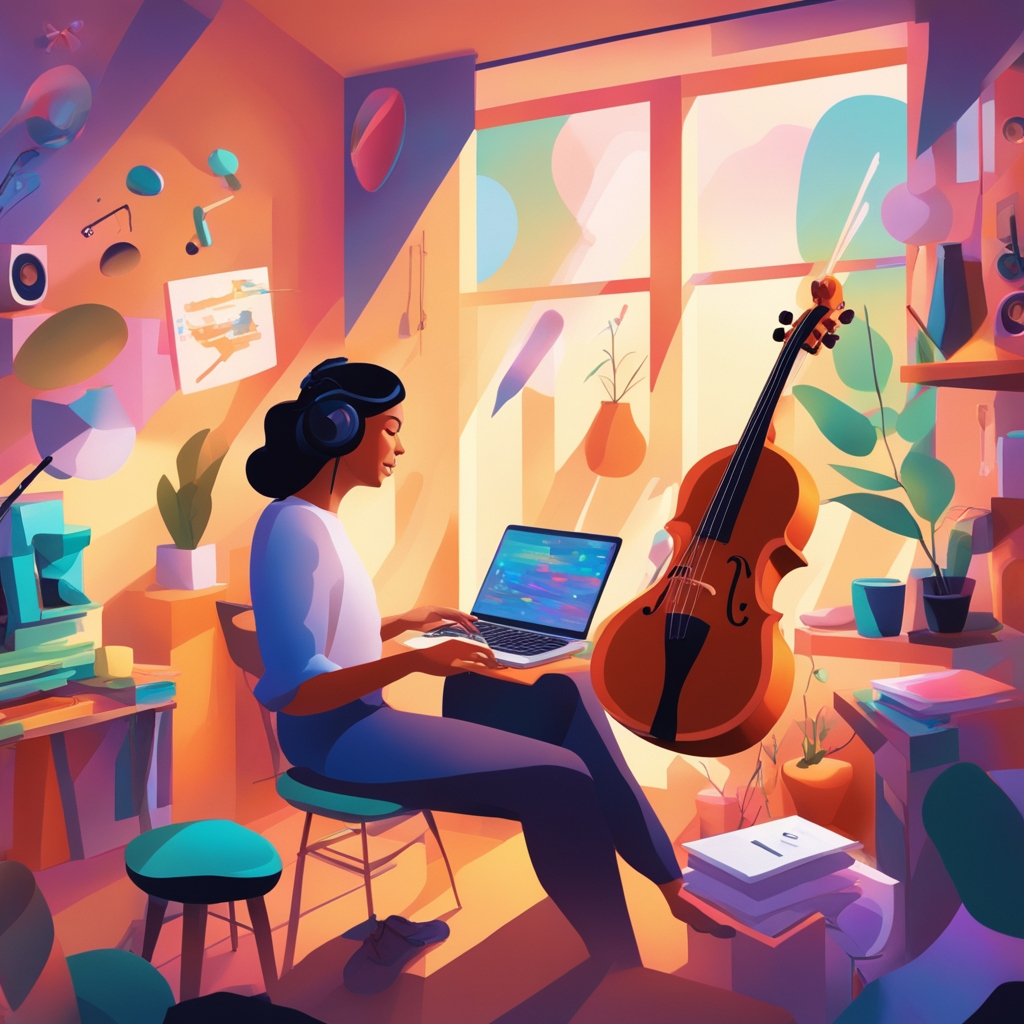
For creators, AI audio tools are less about replacement and more about radical expansion.
- Demolishing the Blank Page: The hardest part of any creative process is often the start. AI can instantly generate dozens of melodic ideas, drum patterns, or ambient pads, breaking through creative block and serving as a spark for human refinement.
- Hyper-Personalisation: Imagine your podcast having a unique, dynamically generated intro theme for each listener based on their tastes. Or a fitness app that generates a beat that perfectly matches your running cadence in real-time.
- Democratizing Music Production: High-quality music production has historically required expensive gear, years of training, and technical know-how. AI tools put powerful compositional abilities in the hands of indie game developers, YouTubers, social media creators, and hobbyists, allowing stories to be told with compelling soundtracks that were previously out of budget.
- New Genres & Sonic Exploration: By mashing up patterns from disparate datasets, AI can suggest novel combinations a human might not consider—a traditional Indian raga structured like a hip-hop beat, or bluegrass played on synth pads. It becomes a tool for sonic discovery.
- Restoration & Resurrection: AI is being used to remaster classic recordings, separate long-lost vocal takes from old studio reels, and even simulate the voices of historical figures for documentaries, or complete unfinished works by composers who passed away.
Part 4: The Cacophony of Concerns: Ethical, Legal, and Artistic Discord
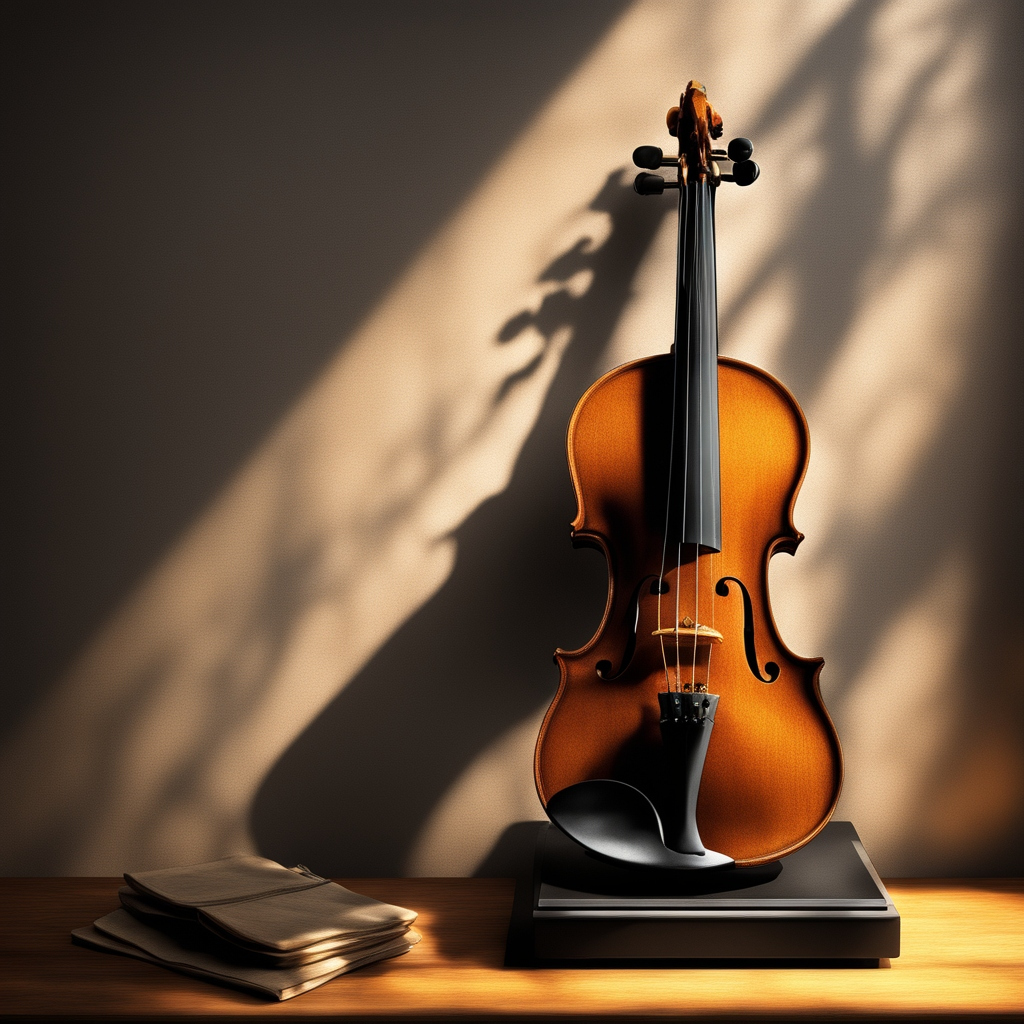
This revolution doesn’t come without dissonance. The key issues are profound:
1. The Copyright Abyss: This is the biggest legal quagmire.
* Training Data: Did the AI company have the right to use millions of copyrighted songs to train its model? Artists and labels are increasingly suing, arguing that this is massive-scale intellectual property infringement.
* Output Ownership: If you type a prompt and generate a song, who owns it? You? The platform? Is it a derivative work of all the music it was trained on? Current copyright law, built for human authors, is scrambling to catch up.
* The “Style” Problem: Can an AI infringe on an artist’s style? If you prompt for “a song in the style of Taylor Swift,” is that ethical? Is it legal?
2. Artist Exploitation & Devaluation: There’s a palpable fear that AI will flood platforms with “good enough” music, drowning out human artists and driving down the value of composition work for commercials, video games, and stock music. The concern isn’t just about being replaced, but about being devalued.
3. The Authenticity & “Soul” Debate: Can code express genuine emotion? Music is a profoundly human experience—a conduit for joy, grief, and rebellion. Listeners often connect with the story of the artist as much as the notes. An AI has no life experience, no heartbreak, no joy to translate into sound. Is the result merely a sophisticated mimicry, lacking the intangible “soul” we crave?
4. Deepfake Audio & Misinformation: The voice cloning capabilities are terrifyingly good. Imagine a fake audio clip of a political leader declaring war, or a CEO tanking their company’s stock with fabricated statements. The ethical misuse of this technology for fraud, harassment, and propaganda is a clear and present danger.
Part 5: The Harmonious Future: Collaboration, Not Replacement
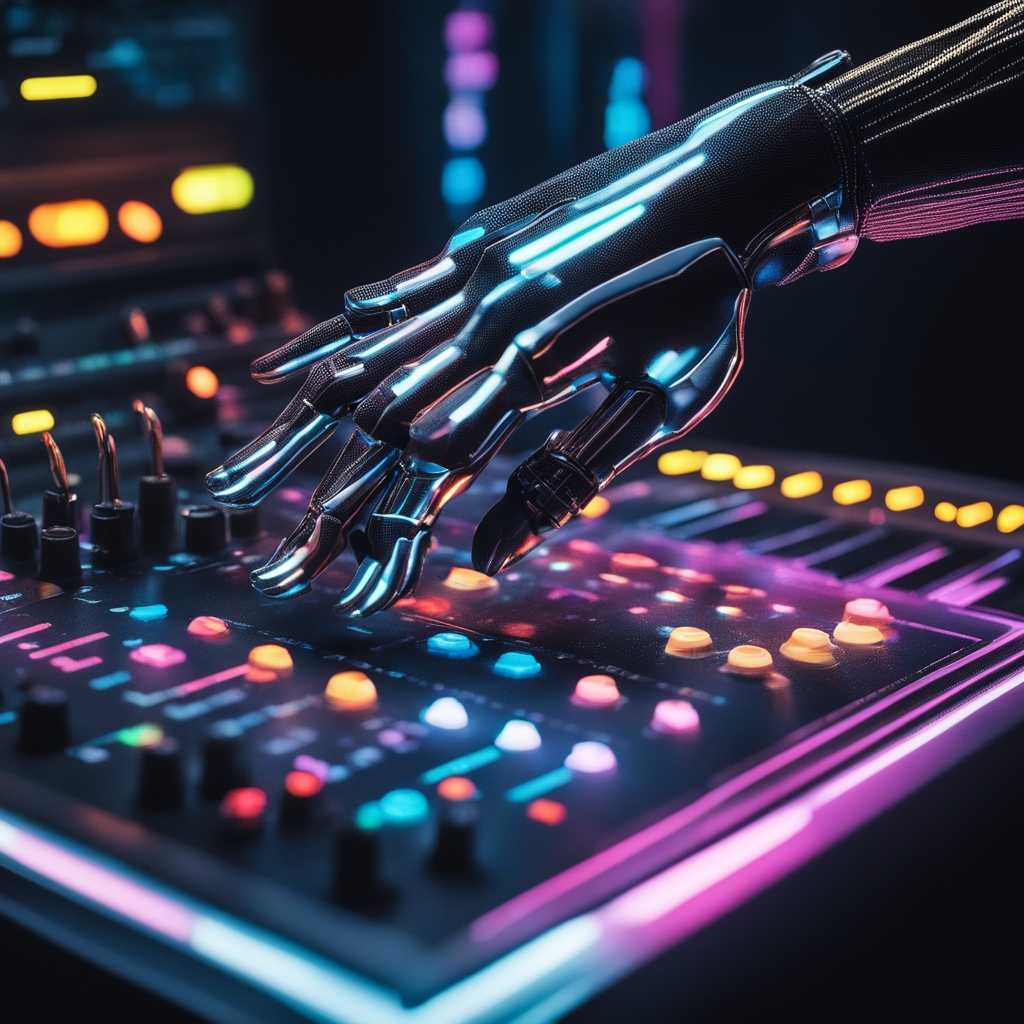
The most likely and productive path forward isn’t AI versus human, but AI with human. Think of it as the ultimate, infinitely patient collaborator.
- The AI as a Bandmate: A producer might jam with an AI that suggests unexpected chord changes. A film composer could generate 100 variations of a theme and then expertly curate and orchestrate the best one.
- Personalised Interactive Media: The dream of adaptive soundtracks that react perfectly to a reader’s pace in an audiobook, or a workout score that escalates precisely as you hit your peak, will be realised by AI.
- New Tools for Artists: We’ll see tools that help musicians overcome disability, translate ideas between those who can’t read notation, or allow for real-time language dubbing in films that preserves the original actor’s vocal emotiveness.
Conclusion: The Conductor is Still Human
The arrival of AI in music and audio is not an end, but an evolution. It is a powerful new instrument, one with its own peculiarities and immense potential. The noise, feedback, and legal battles are part of its tuning process.
The core truth remains: technology provides the tools, but meaning comes from human intent. An AI can generate a sad string arrangement, but only a human director can decide it’s the perfect sound for the moment a hero falls. An AI can mimic a blues riff, but it never feels the deep need to sing them.
As we move forward, our challenge is to build an ecosystem that respects and compensates the artists whose work taught the machines, that establishes clear ethical guardrails, and that champions transparency. The future soundscape will be a rich tapestry woven from both biological inspiration and digital generation. Our task is to ensure it remains a symphony of human expression, simply amplified by a chorus of code.
The baton, ultimately, is still in our hands.
FAQ: Your Questions on AI Music, Answered
Q: Can I legally use AI-generated music in my YouTube video or podcast?
A: It depends entirely on the platform’s Terms of Service. Some, like Soundraw or AIVA, offer royalty-free licenses for commercial use. Others may restrict usage or claim ownership. Always, always read the license agreement before using any AI-generated content commercially.
Q: Will AI make human musicians obsolete?
A: Unlikely. It will likely automate certain production tasks (like generating background tracks) and change the skill sets in demand. The roles of curator, emotional guide, live performer, and visionary storyteller will become more crucial than ever.
Q: How can I tell if a song is made by AI?
A: Currently, it’s getting harder. Tell-tale signs can include slightly slurred or unnatural vocals in voice clones, repetitive or “generic” melodic structures, and a lack of the subtle imperfections that give human performances character. In the future, watermarking and disclosure standards will be critical.
Q: Where can I try making AI music myself?
A: Start with user-friendly platforms:
- Soundraw: For generating customizable, royalty-free music loops.
- Boomy: For quickly creating and even releasing simple song tracks.
- Suno AI: A popular platform for generating songs from text prompts.
- Meta’s AudioCraft: A more advanced, open-source suite for researchers and developers.
Q: What’s the most exciting positive use of this tech you’ve seen?
A: Projects like “Here Comes the Sun” by The Beatles (AI-assisted remix) or using AI to give voice to those who have lost theirs through disease. These applications that augment, restore, and expand human capability hint at the truly beautiful potential of the technology.