Introduction: The Unseen Digital You
Picture this: you unlock your phone with a glance, breeze through airport security with a fingerprint, and even pay for groceries with a smile. This isn’t science fiction—it’s our daily reality. Biometric data, the unique physical and behavioral characteristics that make you you, has become the golden key to modern convenience. But as we hand over our faces, fingerprints, and voices to devices and databases, a pressing question looms: What happens when the key to your identity can be stolen, copied, or used without your consent?
Unlike a password, you can’t change your iris scan. Unlike a PIN, you leave your fingerprints on everything you touch. This is the core paradox of biometrics: its greatest strength is also its greatest vulnerability. In this deep dive, we’ll explore the hidden trade-offs of the biometric revolution, the surveillance risks lurking beneath the surface, and—most importantly—how you can protect the most personal data you own.
What Exactly is Biometric Data? More Than Just a Fingerprint
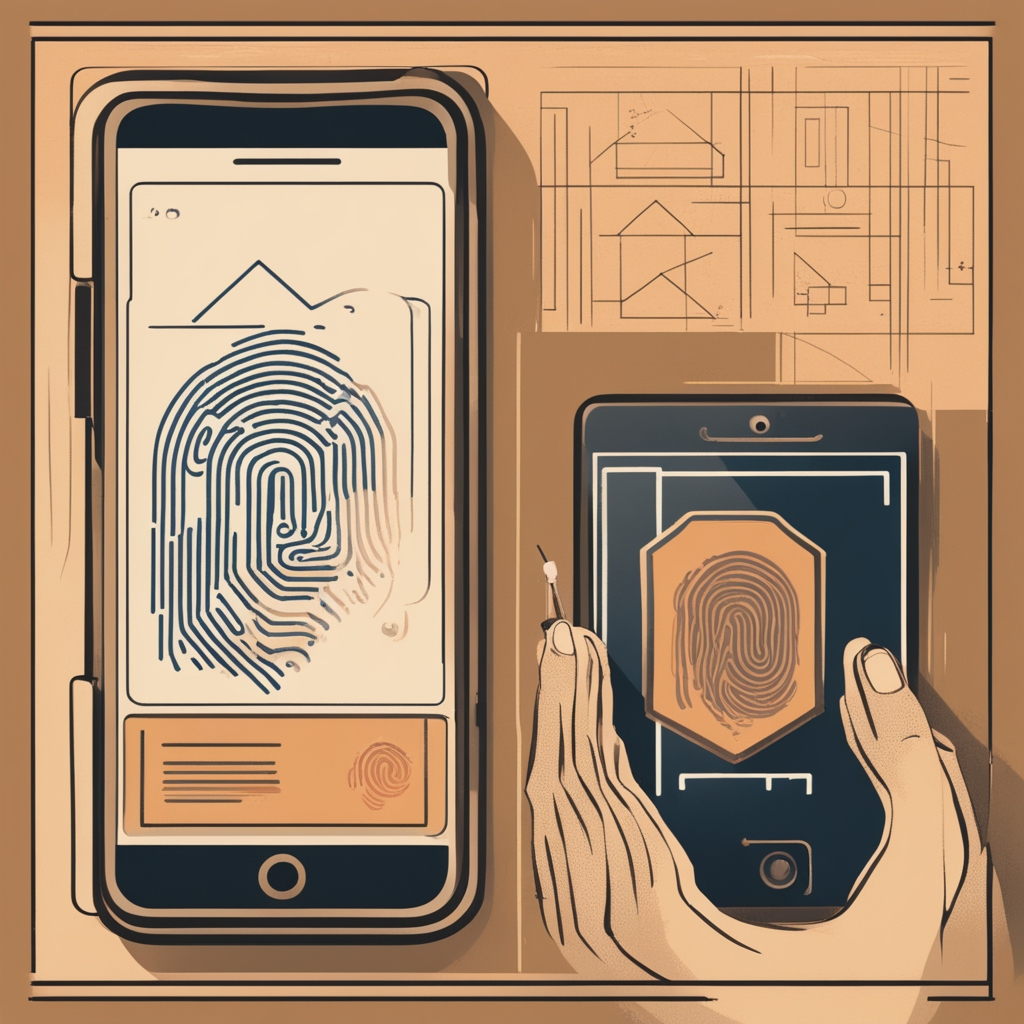
Let’s start with the basics. Biometric data is any measurable biological or behavioral characteristic that can be used for automated recognition.
The Two Main Flavors:
- Physical Biometrics: Your body’s blueprint.
- Facial Geometry: The unique arrangement of your eyes, nose, cheekbones, and jaw. This is what powers Face ID and many public surveillance systems.
- Fingerprints: The classic identifier, now embedded in passports and smartphones.
- Iris/Retina Patterns: The intricate, stable patterns in your eye.
- Voiceprints: The unique tone, pitch, and cadence of your speech.
- DNA: The ultimate biological code (though less commonly used for daily authentication).
- Vein Patterns: The map of blood vessels in your hand or finger.
- Behavioral Biometrics: How you interact with the world.
- Typing Rhythm: Your unique speed and cadence when typing.
- Gait: The way you walk, which can be analyzed by sensors.
- Mouse Movements: How you navigate a computer screen.
This data is powerful because it’s inherently linked to you. It’s difficult to forget, lose, or share accidentally. But that permanence is a double-edged sword. A 2023 report by the World Economic Forum highlighted that while biometrics can reduce fraud, the creation of large-scale databases creates “a high-value target for cybercriminals and a potential tool for state surveillance.”
The Privacy Pandora’s Box: Risks Beyond Theft
When your biometric data is compromised, the consequences are more severe than a credit card breach. Here’s what’s at stake:
1. Irrevocable Identity Theft
You can cancel a credit card. You can get a new Social Security number (with extreme difficulty). You cannot get a new face or fingerprint. Once this data is stolen and replicated, you risk permanent identity fraud. Hackers could potentially access your devices, financial accounts, and secure facilities as you.
2. Mass Surveillance and the “Chilling Effect.”
This is perhaps the most profound societal risk. Governments and corporations can deploy facial recognition technology (FRT) in public spaces—parks, streets, shopping centers—often without clear public knowledge or consent.
- China’s Social Credit System is the most cited example, where widespread surveillance is tied to citizen ratings.
- In democratic nations, the debate rages. The use of FRT by police departments, for instance, has raised serious concerns about algorithmic bias and the erosion of anonymous public life. The American Civil Liberties Union (ACLU) has documented numerous cases of misidentification, particularly affecting people of color, leading to wrongful arrests.
When people know they are being constantly tracked, it can lead to a “chilling effect”—they may avoid protests, political gatherings, or simply speaking freely in public. This undermines a core tenet of a free society.
3. Function Creep: Mission Drift with Your Data
This occurs when data collected for one specific, often benign, purpose is quietly used for another. For example:
- The facial data you provided to unlock your phone could be sold to an advertising company to track your in-store shopping habits.
- A fingerprint scan used for employee timekeeping could later be used for continuous workplace monitoring.
Without strong legal guardrails, your consent for one use becomes a blanket ticket for unlimited exploitation.
4. Profiling and Discrimination
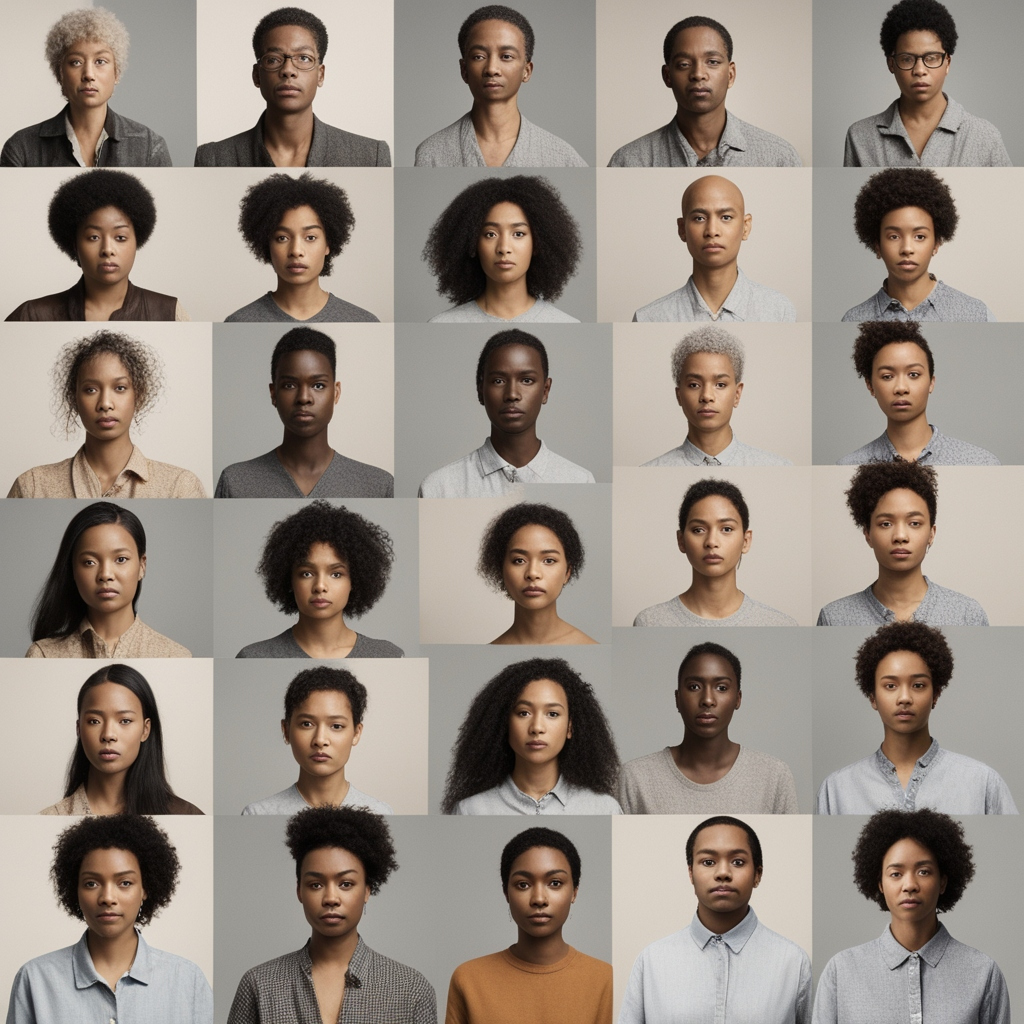
Biometric systems are not infallible. They are trained on datasets, and if those datasets lack diversity, they fail. Studies, including landmark research from MIT and the National Institute of Standards and Technology (NIST), have shown that many facial recognition algorithms have significantly higher error rates for women and people with darker skin tones. This isn’t just a technical glitch; it’s a recipe for systemic discrimination in law enforcement, hiring, and access to services.
The Global Legal Patchwork: Who’s Protecting Us?
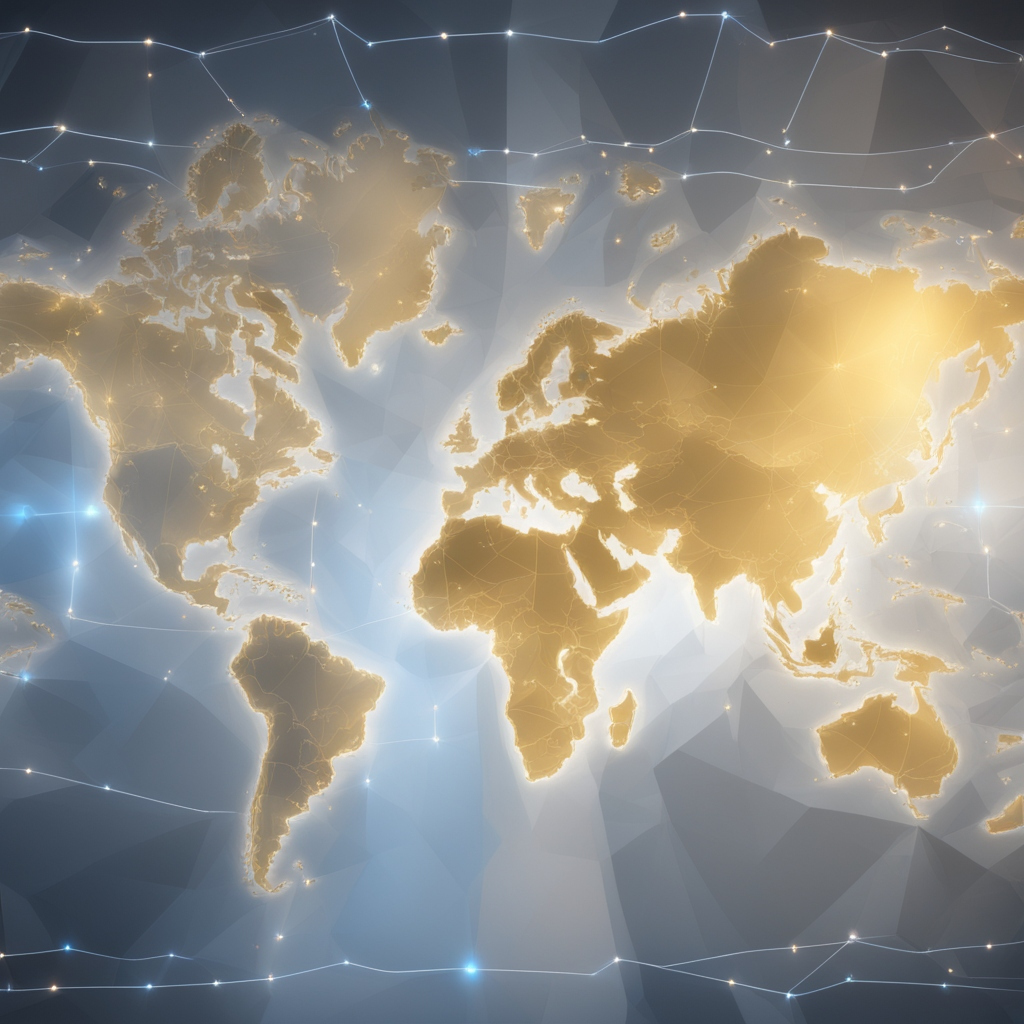
The legal landscape for biometric privacy is fragmented, a patchwork of regulations that vary wildly by country and even by state.
- The Gold Standard: GDPR (EU)
The EU’s General Data Protection Regulation (GDPR) classifies biometric data as a “special category” of personal data, granting it the highest level of protection. Processing is generally prohibited unless explicit consent is given, and even then, under strict conditions. Individuals have a powerful “right to explanation” for automated decisions. - The State-Level Leader: BIPA (Illinois, USA)
In the U.S., there is no comprehensive federal biometric privacy law. The trailblazer is the Illinois Biometric Information Privacy Act (BIPA), enacted in 2008. It requires companies to:- Inform individuals in writing that their data is being collected.
- State the specific purpose and duration of collection.
- Obtain written consent.
- Establish a publicly available data retention schedule.
BIPA’s private right of action (allowing individuals to sue for violations) has led to major settlements with tech giants like Meta and Google, proving its teeth. Other states like Texas and Washington have similar, but often weaker, laws.
- The Sectoral Approach: The Rest of the World
Many countries, including Canada and Australia, handle biometric privacy through a mix of privacy laws and sector-specific regulations. The challenge is keeping pace with technology. The Information Commissioner’s Office (ICO) in the UK provides guidance, but experts argue that the law is often playing catch-up.
Taking Back Control: Practical Steps for Biometric Self-Defense
While the risks are real, you are not powerless. Here’s a human-centric guide to protecting your biometric self:
1. Practice Digital Minimalism
- Opt-Out Where Possible: If an app or service asks for your face or fingerprint for a non-essential function (like a social media filter), ask if there’s an alternative. Often, a good old-fashioned password will do.
- Review Privacy Settings Meticulously: Dive into the privacy settings of your smartphone, social media apps, and smart home devices. Disable facial or voice recognition features you don’t actively need and want. The Electronic Frontier Foundation (EFF) has excellent guides on hardening your device’s privacy.
2. Know Your Rights & Ask Questions
- Be the “Why” Person: When asked for biometric data (at work, in an apartment building, at a theme park), ask: Why is this necessary? How will it be stored? Who has access? What is your deletion policy? Legitimate organizations should have clear answers.
- Research Your Local Laws: Are you in a BIPA state? Understanding the legal protections you have is the first step to enforcing them.
3. Support Stronger Regulations
- Advocate for Federal Laws: In the U.S., support legislation like a potential national Biometric Information Privacy Act. Contact your representatives.
- Support Organizations on the Front Lines: Donate to or follow the work of non-profits dedicated to digital rights, such as the Electronic Frontier Foundation (EFF), the ACLU, and Privacy International. They are the watchdogs challenging unethical surveillance in courts and in the public sphere.
4. Embrace “Security Hygiene.”
- Use Strong, Unique Passwords: Even on biometric-enabled devices, a strong password or PIN is your last line of defense. Use a reputable password manager.
- Enable Multi-Factor Authentication (MFA): Where available, use MFA that combines a biometric with another factor, like a hardware security key or an authenticator app. This creates layers of security.
- Keep Software Updated: Security patches often fix vulnerabilities that could be exploited to steal biometric templates from your devices.
Conclusion: A Future of Choice, Not Coercion
The biometric genie is out of the bottle. The technology offers undeniable benefits in security and convenience. The goal cannot and should not be to stuff it back in. Instead, our mission must be to tame it with transparency, regulation, and individual empowerment.
We must build a future where the use of our most intimate data is:
- Transparent: We know when and how it’s being collected.
- Consensual: We have a genuine, informed choice to opt-in or opt-out.
- Limited: Its use is restricted to the specific purpose we agreed to.
- Secure: It is protected with the highest possible cybersecurity standards.
- Equitable: The systems are audited for bias and held accountable for errors.
Our faces, our fingerprints, our voices—they are not just access codes for corporate platforms or tools for government monitoring. They are part of our human identity. In the digital age, protecting them isn’t just about privacy; it’s about preserving our very autonomy.
Frequently Asked Questions (FAQ)
Q1: Is storing my fingerprint on my iPhone safer than storing it with a random app?
A: Absolutely. Apple’s Touch ID and Face ID use a secure enclave—a dedicated chip on your device. The biometric template is encrypted and never leaves your device or is stored on Apple’s servers. A random app might send that data to its own cloud servers, which may have weaker security. Always check a company’s whitepapers and privacy policy on how they handle biometric data.
Q2: Can someone steal my identity from a social media photo?
A: Potentially, yes. Researchers have demonstrated that high-resolution photos can be used to create 3D models or “masks” capable of fooling some facial recognition systems. This is a key argument against scraping public photos (like from Facebook or LinkedIn) to build surveillance databases. Be mindful of what high-quality photos you share publicly.
Q3: What should I do if my biometric data is part of a data breach?
A: This is a serious situation. First, follow the specific guidance from the breached company. Immediately change passwords on any accounts that use the same authentication method. Enable multi-factor authentication using a different method (e.g., if your fingerprint was compromised, use an authenticator app). Monitor your financial accounts for fraud. Unfortunately, as you cannot change your biometrics, you must remain vigilant for the long term.
Q4: Are there any “biometric-free” alternatives for good security?
A: Yes! Hardware security keys (like YubiKey or Google Titan) are considered one of the most secure forms of authentication. Password managers that generate and store complex, unique passwords are also excellent. The principle of multi-factor authentication (MFA), combining something you know (password) with something you have (phone), remains extremely effective without biometrics.
Q5: How can I find out if my city’s police department uses facial recognition?
A: You can start by filing a public records request with your local police department or city council. Non-profit organizations like the EFF and ACLU often publish reports and maps tracking the adoption of police surveillance technology, including FRT, across the United States. Attending city council meetings and asking direct questions is also a powerful civic action.
Q6: Can I opt out of facial recognition in public spaces like airports or stores?
A: This is challenging and depends entirely on local laws. In most public-private spaces (like a retail store), you can ask about their policy, but opting out may mean not entering the premises. For government-run spaces like airports in many countries, opting out of biometric screening (e.g., TSA PreCheck lanes with facial recognition in the U.S.) is often possible, but you must actively request an alternative manual screening from an agent, which may result in longer wait times. The onus is on the individual to know and assert their rights, highlighting the need for clearer “notice and choice” standards in public deployments.
Q7: What’s the difference between how my phone uses my face and how a surveillance camera in a city might?
A: The core difference is on-device processing versus centralized databases.
- Your Phone: Uses a secure chip to create a mathematical model (a “template”) of your face. This template never leaves your device, is not compared to a giant database, and is used only for a single purpose: unlocking your device for you.
- Public Surveillance Camera: Captures your facial image, which is often sent to a central server. There, it’s converted into a template and compared against a watchlist or database (of wanted individuals, employees, or even past visitors). This is mass identification, not simple authentication, and it creates a record of your presence and movement, often without your knowledge or consent.
Q8: Are there any “safe” or ethical uses of biometric data that I should support?
A: Yes, when the principles of consent, minimalism, and local control are front and center. Ethical applications often include:
- Personal Device Security: As described above, you are the sole owner and controller of the data template.
- Voluntary Humanitarian Efforts: Using fingerprint or iris scans to deliver aid and resources accurately to refugees in crises, ensuring help isn’t duplicated or stolen, as piloted by organizations like the UNHCR and the World Food Programme.
- Medical Diagnostics with Explicit Consent: Using retinal scans for disease detection or genetic data (a form of biometric) for personalized cancer treatments, where data is handled under strict medical privacy laws like HIPAA.
The key is to support uses where the individual benefits directly, participation is truly voluntary, and data isn’t repurposed for unrelated surveillance or profit.