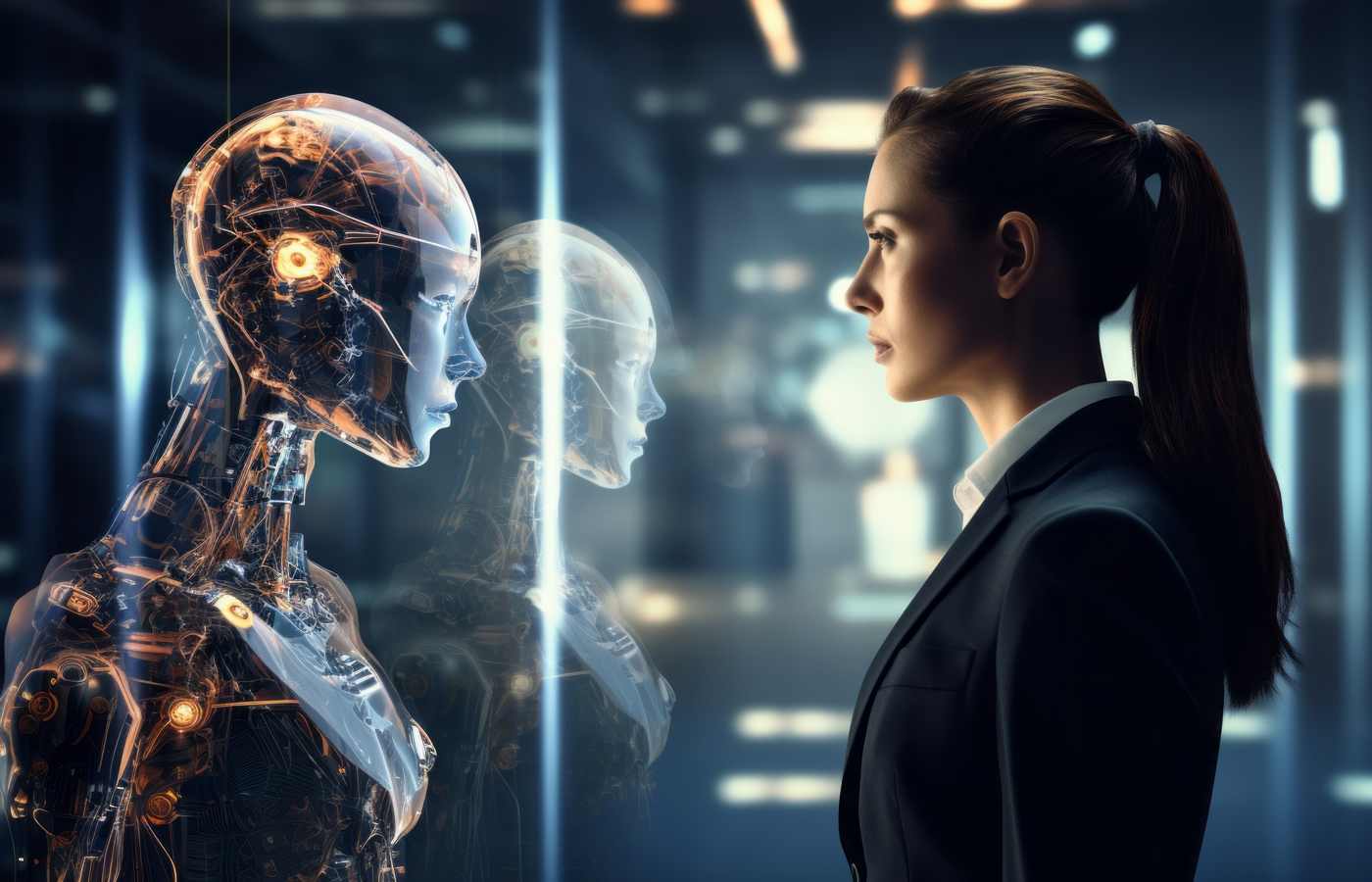
As the digital cornerstone of the internet’s collective knowledge, Wikipedia marks a monumental quarter-century of existence. This milestone arrives at a critical inflection point, where the very fabric of information creation, dissemination, and consumption is being radically reshaped by artificial intelligence. In a landmark announcement for its 25th birthday, the Wikimedia Foundation has charted a decisive path forward, revealing a series of strategic partnerships with leading AI technology companies through its commercial arm, Wikimedia Enterprise. These collaborations represent more than just birthday news; they signify a proactive and innovative model for ensuring the sustainability and continued relevance of human-driven knowledge in an increasingly automated world.
Wikimedia Enterprise Foundation
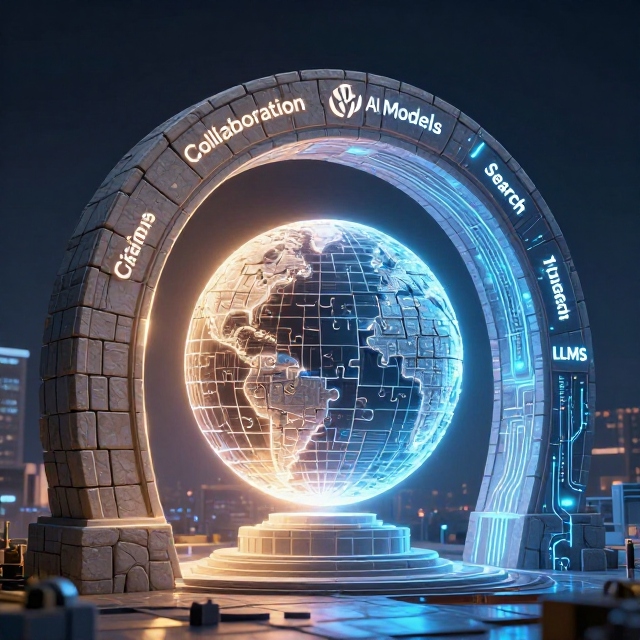
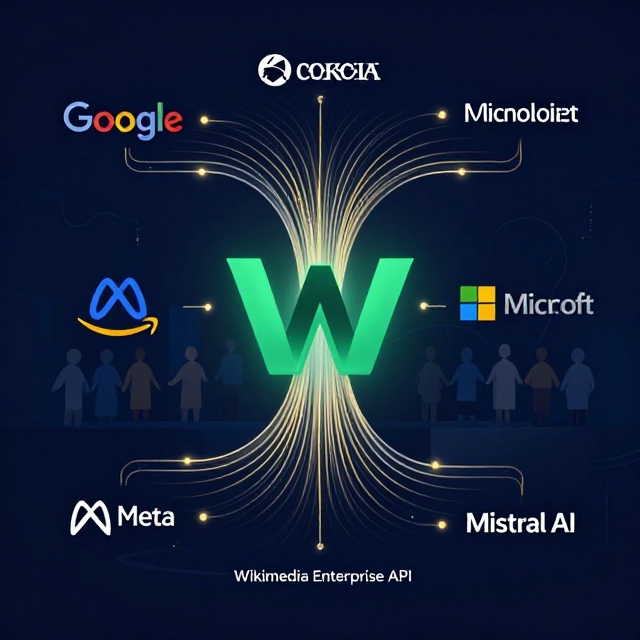
The centerpiece of this anniversary announcement is the formal revelation of new paying customers for Wikimedia Enterprise, a product specifically designed for the large-scale, high-volume reuse of content from Wikipedia and its sister projects. While a pioneering partnership with Google was unveiled in 2022, the foundation has now publicly shared that it has expanded this ecosystem over the past year to include tech giants Amazon, Meta, Microsoft, as well as influential AI players like Mistral AI and Perplexity. They join previously mentioned partners such as the search engine Ecosia, and others like Pleias, ProRata, Nomic, and Reef Media. This diverse roster underscores a fundamental shift: the world’s most powerful tech firms, which are building the generative AI and search products of tomorrow, are formally recognizing Wikipedia’s structured, reliable data as an indispensable resource.
But why is this necessary? Wikipedia today stands as one of the world’s top 10 most-visited websites, a testament to its unparalleled utility. Every month, global audiences view more than 65 million articles across 300 languages, nearly 15 billion times. However, this very success presents a paradox. The encyclopedia’s content, painstakingly curated by a global volunteer community, is frequently ingested by AI models and integrated into countless digital services—from chatbots and search engines to knowledge graphs and content aggregators. These entities leverage Wikipedia’s factual backbone to provide instant, authoritative answers, often without contributing directly to the ecosystem that sourced the data. Wikimedia Enterprise directly addresses this dynamic, transforming a potential vulnerability into a sustainable strength.
Wikimedia Enterprise is not merely a transactional gateway or a paywall. It is a sophisticated Application Programming Interface (API) and data delivery service engineered for professional, commercial-grade use. Where the public APIs serve volunteers and lower-volume applications, Enterprise is built for scale, reliability, and efficiency. It provides partners with real-time, structured, and verified data feeds in formats optimized for machine consumption, ensuring they have access to the most current and accurate versions of articles at the volume and speed their operations demand. This includes critical metadata, revision histories, and multimedia content. In essence, it streamlines the legal and technical process of large-scale reuse, ensuring proper attribution and a consistent, reliable flow of information for the products billions of people use daily.
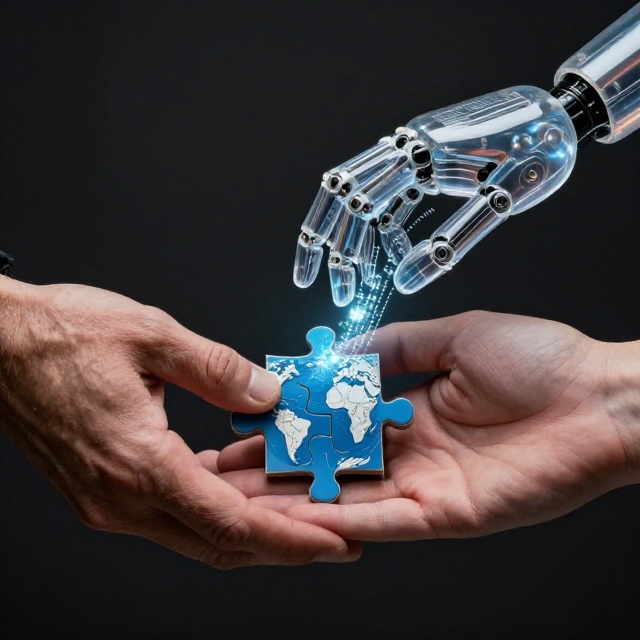
The philosophy behind this initiative is twofold. First, it establishes a principled economic model that asks major commercial entities, which benefit operationally and financially from Wikipedia’s content, to contribute to its upkeep. This revenue directly supports the Wikimedia Foundation’s non-profit mission: to keep Wikipedia and its sister projects online, secure, fast, and independent. It funds the vital technical infrastructure, developer teams, and legal resources that underpin the free knowledge movement, reducing reliance on donations alone. Second, it fosters responsible and traceable reuse. By engaging with these companies through a formal product, Wikimedia can ensure better compliance with its licensing terms, promote proper attribution, and open channels for dialogue about the ethical use of open data in AI development.
This moment is deeply rooted in Wikipedia’s core identity. As Selena Deckelmann, Chief Product and Technology Officer of the Wikimedia Foundation, powerfully articulated: “Wikipedia shows that knowledge is human, and knowledge needs humans. Especially now, in the age of AI, we need the human-powered knowledge of Wikipedia more than ever.” This statement cuts to the heart of the announcement. In an era of AI “hallucinations” and synthetic content, Wikipedia’s transparent, citation-based, and collaboratively verified model is not an archaic relic but a vital benchmark of trust. The partnerships announced are not a surrender to AI but an assertion of value. They ensure that the “human-powered knowledge” created by millions of volunteer editors over 25 years remains a foundational and funded layer in the digital knowledge stack.
The 25th-anniversary celebrations extend far beyond commercial deals, reflecting a holistic view of legacy and future. The foundation has launched a birthday campaign that celebrates its global community—the true engine of the projects. A new video docuseries offers a poignant, behind-the-scenes look at the diverse lives of Wikipedia volunteers from around the world, highlighting the human passion that fuels the platform. For those feeling nostalgic or curious, the “25 Years of Wikipedia” interactive time capsule invites exploration of the site’s evolution, with insights from founder Jimmy Wales himself.
The festivities will culminate in a global livestreamed birthday event on January 15, promising a mix of guest appearances, community games, and entertainment, accessible via Wikipedia’s YouTube, TikTok, and Instagram channels. This communal aspect reinforces that the sustainability gained through enterprise partnerships ultimately serves a vibrant, human community.
Furthermore, the anniversary announcements highlighted the foundation’s own technological advancements, including upgrades to its core infrastructure to handle future growth, and its responsible approach to integrating AI tools for editors—such as those assisting with translation or citation formatting—while upholding human oversight. Experiments with new forms of engagement, like games and short-form video, hint at a forward-looking strategy to attract and retain the next generation of contributors and readers.
In conclusion, Wikipedia’s 25th birthday is a story of mature adaptation. The announcement of partnerships with AI giants through Wikimedia Enterprise is a strategic masterstroke. It acknowledges the new reality of knowledge consumption while firmly defending the intrinsic value of human collaboration. It builds a financial moat to protect its non-profit, open-access ideals. By asking the largest beneficiaries of its data to help sustain it, Wikipedia is ensuring that its next 25 years are as revolutionary as its first. It is committing to remain, in Deckelmann’s words, “the crucial hub for human-powered knowledge and collaboration online,” funded not by selling user data or ads, but by ethically monetizing the unparalleled trust and utility of its content. This is how a free encyclopedia grows up—not by closing itself off, but by intelligently opening a new chapter, ensuring its human heart continues to beat at the center of our digital universe.
FAQ Section
Q: What is Wikimedia Enterprise?
A: Wikimedia Enterprise is a commercial API product developed by the Wikimedia Foundation. It is designed for large-scale, high-volume commercial users—like AI companies and major search engines—who need reliable, structured, and real-time access to Wikipedia and other Wikimedia project content. It provides data in formats optimized for machine use, ensuring efficiency and proper attribution.
Q: Which companies have partnered with Wikipedia through Wikimedia Enterprise?
A: Newly announced partners include Amazon, Meta, Microsoft, Mistral AI, and Perplexity. They join previously announced partners like Google (2022), as well as Ecosia, Pleias, ProRata, Nomic, and Reef Media.
Q: Why is Wikipedia making deals with big AI and tech companies?
A: These partnerships create a sustainable funding model in an era where AI models extensively use Wikipedia’s content. Instead of having this content scraped for free, these formal agreements ensure that major commercial entities contribute financially to the ecosystem that supplies their crucial data. This revenue helps fund the infrastructure and operations that keep Wikipedia free and accessible for everyone.
Q: Does this mean Wikipedia is no longer free or will start showing ads?
A: No. This does not change Wikipedia’s core promise. Wikipedia remains free of ads and freely accessible to readers and casual users. Wikimedia Enterprise is a separate product for a specific class of high-volume commercial data consumers. The revenue it generates helps protect the non-profit, donation-supported model for the main sites.
Q: How does this affect Wikipedia’s volunteer editors?
A: The partnerships are designed to support the volunteer community. The revenue helps build and maintain better, more reliable tools and infrastructure for editors. Furthermore, these deals validate the immense value of the volunteers’ work, ensuring the human-curated knowledge they create remains a foundational and funded resource in the digital landscape.
Q: What is Wikipedia’s stance on AI?
A: As stated by Wikimedia’s CPO/CTO, Wikipedia believes “knowledge is human, and knowledge needs humans.” The foundation sees AI as a tool that can be built upon reliable human knowledge. Wikipedia aims to be the trusted, human-verified source that guides and grounds AI development, while also exploring responsible AI tools to assist its own editors with tasks like translation and citation.
Q: How else is Wikipedia celebrating its 25th birthday?
A: Beyond the partnership news, celebrations include a new documentary series featuring volunteers worldwide, an interactive “25 Years of Wikipedia” time capsule with insights from founder Jimmy Wales, and a global livestreamed birthday event on January 15th with games and entertainment.